Digital Responsibility Requires a Societal Response, and Schools are in the Driver’s Seat.
Steel yourself: I’m about to utter words that send shivers of terror through every parent’s heart. My fifteen-year-old daughter is learning to drive.
This is scary, because I know the danger. I know the power of a 2000 lb vehicle fueled by flammable liquid. I know how much damage (and even devastation) it can cause. Of course, I use a car myself every day, and I wouldn’t want to be without one. But, I also know how much judgment it takes to operate it safely.

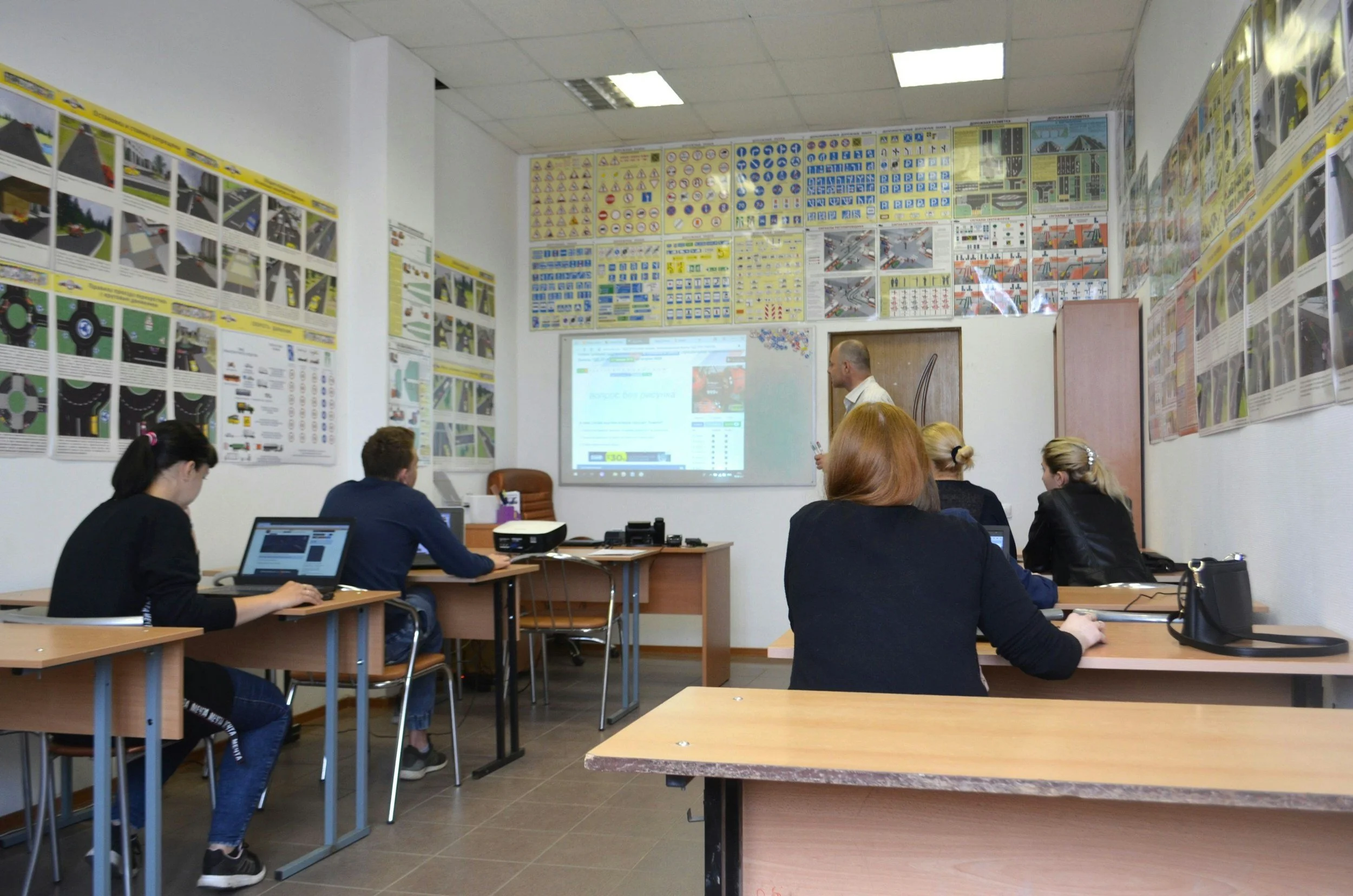
Fortunately, the State of North Carolina has put some guard rails on my child’s automobile operation. My daughter had to spend 40 hours in classroom training, practice for 12 hours driving with a trained instructor, and secure a certificate from her school attesting to her decent grades and attendance record. Then she had to log another 60 hours driving with a licensed adult at her side. I start every school day with an elevated pulse as she drives me to work. She’s getting better - but I don’t yet trust her judgment to drive on her own. That’s OK, because she’s not eligible for her “level two driving permit” until nine months of supervised practice, at which point she’ll be allowed to drive alone under limited circumstances. It is a years-long process in my state for teens to be promoted to fully licensed drivers.
We (society, the state, the school, me as a parent, and even my daughter) all recognize the seriousness of driving. It’s a vital and powerful tool, but operating a car effectively and safely takes knowledge, care, and practice.
We need to view Internet access in a similar way.
Most adults recognize the power of the Internet, and we use it all the time! (Hey, you’re using it right now!). I love it and it’s amazing. But, the dangers of the Internet are also no secret, and its potential to damage kids is becoming more and more evident. Addictions, malicious and immoral content, bullying, truncated attention spans, sedentary lifestyles, and damage to children’s social skills, creativity, and mental health are realities we are only beginning to come to terms with. We build teens’ capacity to drive a car gradually and with careful supervision. But the most powerful tool in human history? We hand it over to preschoolers.
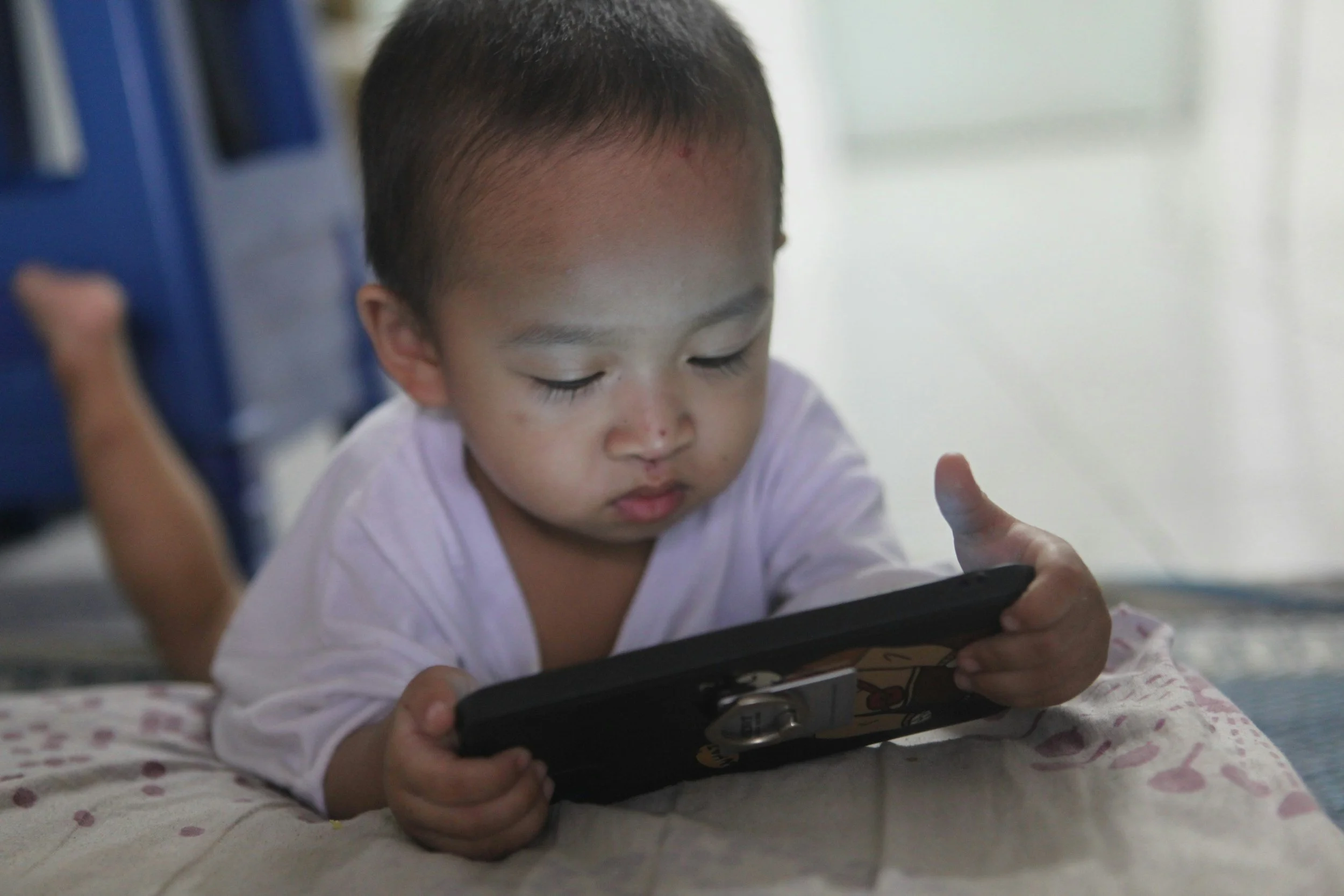
Schools are complicit in this crisis. Many schools provide one-to-one devices to even very young children, and as often as not, these have very few guardrails. Teachers are in a bit of a bind, as for many of us the bulk of our curriculum is largely online. But as difficult as this issue is for teachers, it’s even more challenging for parents. Imagine you have carefully sheltered your child’s internet access, but then they are issued a school device. Of course they use it for schoolwork… and then for everything else. As one middle school mother told me, “We were so careful with tech over so many years, and then my daughter got a device from school that wadded up all my work and threw it in the garbage… We are diligent about it, but it’s our biggest fight that we have as a family. We go to bed more nights than I can count with my daughter furious at us for making her leave her device plugged in in the kitchen.”
So schools forced us (at least partially) into this tech dependence. Schools can help force us out of it.
“We were so careful with tech over so many years, and then my daughter got a device from school that wadded up all my work and threw it in the garbage… ”
As a classroom teacher, there are a lot of things out of my control. But, when I close that classroom door, I have enormous control over what happens with the 25 young minds in my classroom. Regardless of my content area or student level, there are some things I have to teach to every child. I’m responsible for supporting every student’s literacy development. I have to teach study skills and at least some emotional regulation. And now, like it or not, teaching students to use technology responsibly is now part of my job.
What does this look like? First let’s look at the academics. Why do students choose to use technology to cheat in language classes?
The obvious answer is, “They’re lazy”. But let’s dig a little deeper. Some reasons students might cheat in my class include:
They don’t understand the role of technology in language learning
The prompt is inaccessible
They don’t know how to formulate their thoughts in the target language
They feel inadequate or afraid of making mistakes
They are poor time managers
It’s the path of least resistance
Understanding why students misuse technology doesn’t excuse the behavior, but it does inform how we address it. Each of these reasons can be addressed through intentional instructional design. In part 3 of this blog post, we’ll discuss how!