How teachers can stay calm and neutralize student provocation
During cafeteria duty last spring two of my former students called me over. I was surprised; I had not enjoyed teaching these two naughty girls.
“Mrs. Bartels, Mrs. Bartels!” Kara giggled. “Your class was so much fun!”
“Yeah, it was so much fun!” Anya snorted.
I was confused, but replied, ‘That’s wonderful. I’m glad you have good memories of our time together.”
Both girls dissolved into peals of laughter. ‘She… she….” Anya could barely talk. “She always rage-baited you! It was so funny!”
Ah. So the constant misbehavior from these two was planned and intentional. That explained a lot. Rage-baiting teachers is a delightful TikTok trend: students derail instruction with irritating noises, inane questions, or micro-misbehaviors until the teacher loses patience. Then, kids video their reactions for content.

There’s only one way to succeed when you’re being baited: Don’t bite.
The goal of the rage-baiting student is to get positive attention from their peers. You can flip the script by interrupting any of the three words in that equation:
Positive = make the attention negative
Attention = make them ignored
Peers = remove or change their audience.
So practically speaking, what does this look like?
How to Neutralize “Attention” when students seek positive attention from their peers
This only works if the behavior is not too disruptive. If the child is making little noises or asking occasional off-topic questions, you might be able to deal with it indirectly as you continue teaching.
Ignore the behavior
Walk around the classroom and stand near the student, without interrupting instruction.
Novice rage-baiters might get bored when you don’t react. It’s worth a shot
How to Neutralize “Positive” when students seek positive attention from their peers
Sometimes, a quick funny quip is enough. My favorites:
When you grow up and you’re a French teacher, you can do that with your students. But in my class, we’re doing it my way.
Please stop doing X, because I don’t want to get fired again.
We don’t do that in here, save that for Math class.
The taxpayers of Green County are paying me to make sure you get 90 minutes of French instruction. So we can’t do X, we’re going to do Y.
These silly responses derail a little attention from the rage-baiter and put it in a much better place - on the teacher’s wit and hilarity!
For inane questions…

A quick, firm statement putting responsibility on the student can help.
We don’t have time to discuss that right now, but I will pull you from (activity the student enjoys) and you can ask me anything you want.
Here’s a piece of paper: write down your questions and I will reply to them when there’s time.
I’m going to give you an enrichment homework assignment tonight to research that topic. I’ll let your parents know you were extra interested. Great initiative! (Of course, follow up with a quick message home: Johnny had all kinds of questions in class today about x: unfortunately, we didn’t really have time to discuss it so I asked him to do some independent research. Please be sure to ask him about it tonight!)
That’s a little off topic, but it’s a great question for your Science teacher!
In general,a quick quip can interrupt the rage-baiter’s rhythm. Following up by giving the student extra work or pulling them from something they care about raises the cost of their behavior.
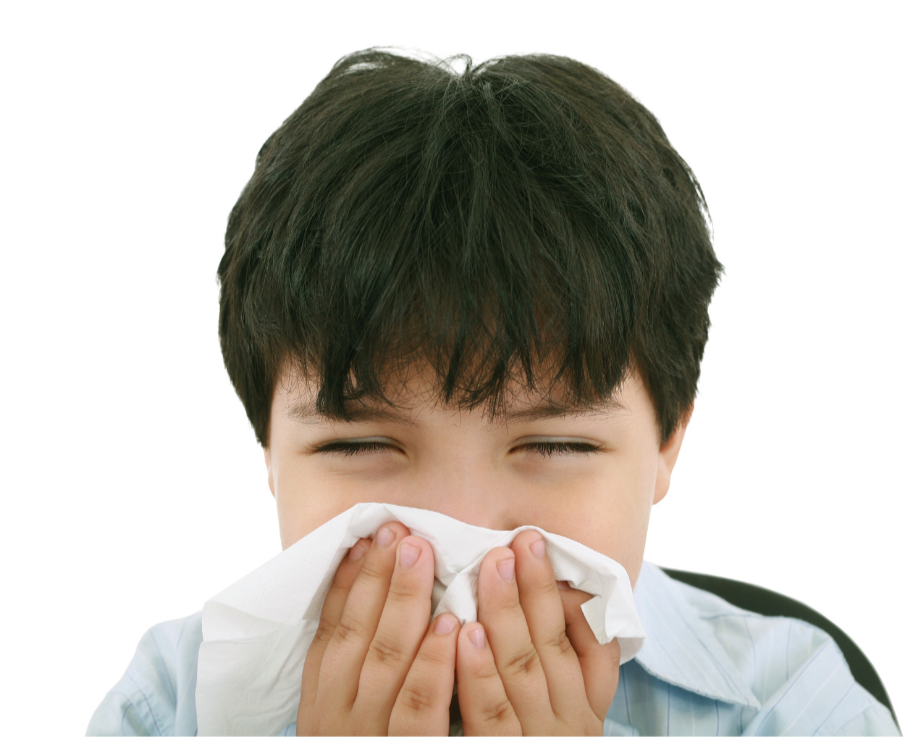
If the student’s behavior is in any way related to physical health, (coughing, farting, blowing their nose) …
Showing deep concern for their well-being can derail the positive attention they hoped to receive. Here’s how it works:
Rage Baiting Student: clears throat every time the teacher turns her back
Teacher: (stopping instruction) Are you OK?
Rage Baiting Student: Huh? What? Who, me?
Teacher: You keep making that gagging noise. That’s not normal. Are you OK?
Rage Baiting Student: Yeah, I just have something in my throat.
Teacher: Oh, no! Is that something that happens to you a lot?
Rage Baiting Student: I dunno.
Teacher: I’m concerned about you. Have you checked with your pediatrician about this?
Rage Baiting Student: Um… no.
Teacher: It’s really alarming for a student to be clearing their throat so much. I’m quite worried about this. Does your mom know? Why don’t you take a drink, and if it happens again I’ll give your mom a call and ask her to check with your pediatrician.
“Rage-baiting teachers is a delightful TikTok trend: students derail instruction with irritating noises, inane questions, or micro-misbehaviors until the teacher loses patience. Then, kids video their reactions for content. ”
This exchange shifts the mood of the class from subtle approval of the rage-baiting student to curiosity at how the battle of wits will play out. Calling direct, public attention to the behavior is unexpected - and a little uncomfortable - for the rage baiter. It shows the teacher has a few tricks up her sleeve, and in fact the teacher holds all the cards here! Typically, after the second or third question from the teacher, the rage-baiting student is shifting uncomfortably in her chair, really hoping for the conversation to be over.
Usually, this is the end of it. But, if not, be sure to follow through on your threat to call home (and tell the student’s mother just what you told the kid: “Susie kept clearing her throat in class, even after she drank water. I wanted to let you know because it seemed unusual; please follow up with her doctor because it was actually interrupting her learning!) No kid wants their mom to get a call because they were clearing their throat a lot.
How to Neutralize “From Their Peers” when students seek positive attention from their peers

Removing the student from their audience is effective and, in some cases, essential. The absolute worst thing you can do with a rage-baiting student is to scold, reprimand, or lose your composure in front of the class, since that’s exactly what they want! It might be appropriate to address the behavior privately, however. Here are some considerations
Move the student to a desk out of sight of their peers, in the hallway, or to another teacher’s classroom. Accompany this move with a behavior reflection form like this free one from my TPT store.
Make the rage-baiting student’s PARENT the audience, instead of their peers. Hold the rage-baiter after class (or pull them during your planning period) and tell them, “I was really unhappy with your behavior in class. Do you know why?” Clarify the student can/will articulate their misbehavior. Then say, “We’re going to call your parent right now and I’m going to put you on the phone. You’re going to tell your parent what you just told me”. All the bravado the rage-baiter felt in front of their peers will evaporate when they have to tell their mother, “I kept flicking paper clips at other students during class”. End the call by reviewing your classroom rules with the parent and student together, and tell the parent, “I know Johnny can do better than this. I’m looking forward to better days ahead.” Sometimes teachers are afraid to call home, but having the student describe their behavior to their parent almost always works well. Read more about making parent phone calls here.
What if you don’t know which kid is doing the thing?
Every time your back is turned, somebody farts or throws a dart into the ceiling.
Stop class, walk dramatically to your desk, and cut up some paper into quarters. In silence, pass out a small paper to every student. Then say, “Put your name on this paper.”
Wait for fifteen seconds. Let it be very uncomfortable as the class wonders what you will do.
Then, in a quiet and intense voice, say “Someone in this class is throwing darts. It’s disruptive and it’s dangerous. I know some of you know who it is. Write on this paper the names of people you saw throwing darts. If you didn’t see anyone, write that down. If you threw darts and you admit it, you will be in less trouble than if your classmates identify you.”
Wait a few minutes, again in silence, and then pick up the papers.
Often, there are students in class who are just as irritated by the constant interruptions as you are, and they are happy to let you know who’s responsible. (My daughter told me, “I would TOTALLY tell). Be sure, of course, to protect all students’ anonymity.
Sometimes, the guilty student(s) will confess. I’ve even had kids say “Mrs. Bartels, it was me.” when I gave the instructions.
Sometimes the kids don’t know or won’t tell. That’s the toughest situation, but you can still bluff. Most likely, you have an idea who is responsible: get the class working on something and pull the suspect aside (away from their audience). Ask them, “What do you think the class survey said?”. They might confess at this point, but if not, the game has still become higher-stakes, since the student never knows when a classmate might tell on him.
If you discover the offender, a parent call together is a great consequence.
Have students tried to rage-bait you? How did you handle it? Remember, it’s a shark-eat-shark world!