How to Fix Public Education (or at least, a place to start)
Three students who illustrate grave problems in U.S. public education… and how we can help.
The student profiles below are fictional, but are representative of many students I have worked with over 20+ years in education.
Martin
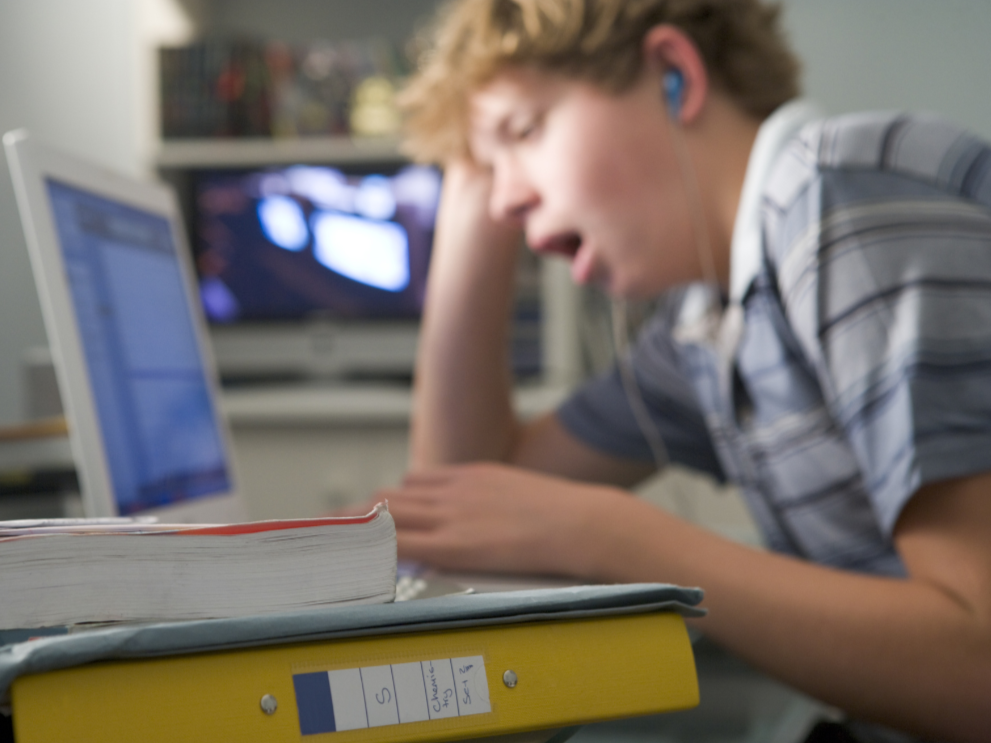
Martin comes to school every day. He sits in class with his laptop open. Martin is respectful when spoken to and gets along with his peers. He often has earbuds in and watches videos during instruction. His teachers sometimes circle around and tell him to close his extra tabs, and he complies. Then he opens them back up when the teacher walks away.
Martin doesn’t draw attention to himself or cause a commotion. He doesn’t ask questions. He doesn’t turn in assignments. In fact, he doesn’t do much of anything. He fails most of his classes because his teachers can’t get him to work. When a teacher calls Martin’s parent, the parent says, “OK, I’ll talk to him.” but nothing changes.
A student like Martin can pass through Kindergarten, 1st grade, 2nd grade… all the way up to 8th grade. 9 years of doing nothing. He won’t be held back because it is considered socially inappropriate.
Then Martin gets to 9th grade. He is shocked to suddenly find there are consequences when he doesn’t do his work! He doesn’t want to fail and have to repeat his classes. The problem is, Martin hasn’t spent time developing the requisite skills to perform high school work. He isn’t reading at grade level and doesn’t know his math facts. He hasn’t developed academic stamina or the ability to push through a challenge. His attention span is too short to follow classroom instruction. He doesn’t know how to study, how to take notes, or how to evaluate his own mastery of course content.
Martin has been failing as a student from day 1 with no consequences. In passing him along, year after year, we have done this student a huge disservice.
Elena
Elena comes from a traumatic home situation, and she is a seething ball of anger. Her inability to control her emotions has resulted in a formal diagnosis of ‘emotionally disabled’, and the school is required to accommodate her disability. When Elena experiences a frustrating event, her emotions quickly escalate to screaming, swearing, and physical violence. Thus, she has permission to use a ‘cool down pass’ to leave the classroom at any time, with or without the teacher’s permission. She is supposed to go to the designated ‘cool down room’, but she often ignores this expectation and roams the halls. She sometimes knocks on doors or peers into classrooms, disrupting instruction.
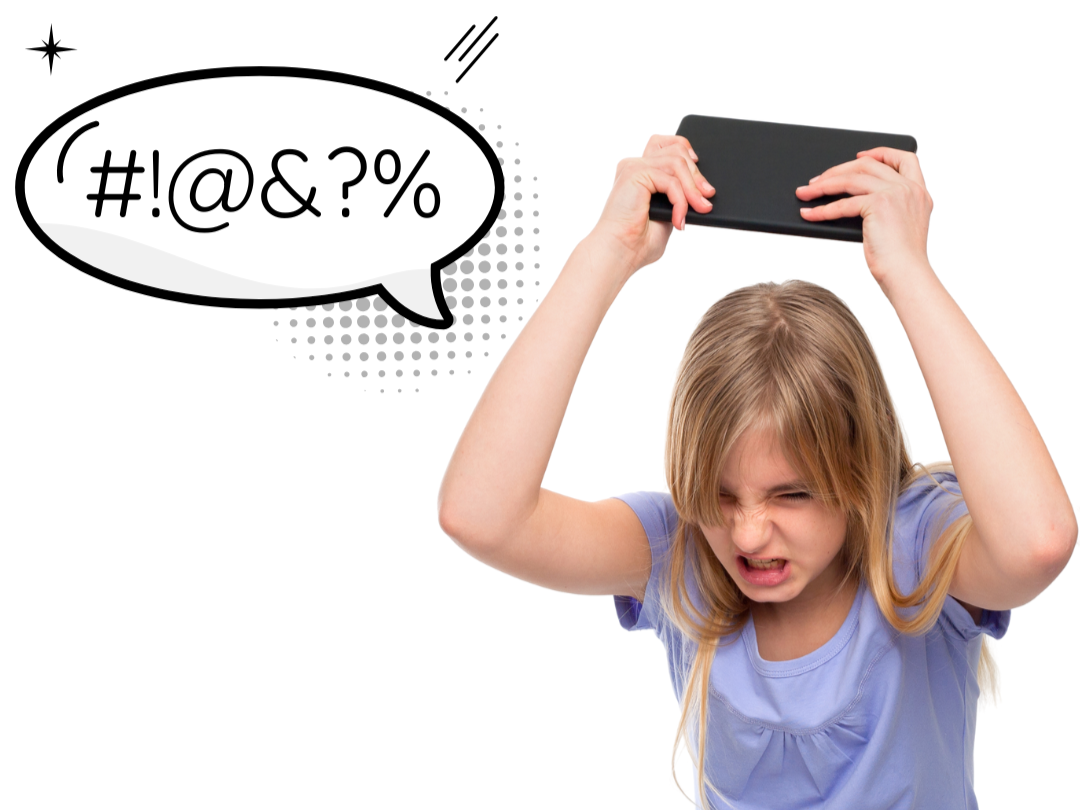
When confronted by adults in the hallways, Elena either ignores their instructions entirely or explodes in a profane tirade. Teachers have learned to let Elena have her way, and even administration’s hands are tied. Elena refuses to sit in detention. She cannot be suspended because any impulsive or defiant behavior is a manifestation of her disability, which she cannot be punished for. There’s really nothing anyone can do for Elena. Elena, it seems, can do whatever she wants.
Ricky
Ricky once told me matter-of-factly, “If a teacher disrespects me one time, it’s over. I will make their life a living hell.” Ricky has a large toolbox of behaviors to achieve his stated objective. During class he stands without permission and wanders around the classroom. Along the way he closes classmates’ laptops, taps them on the head, picks up objects off of their desk. He talks to friends loudly across the room. He throws pencils into the ceiling and flicks coins off the window blinds. He hits classmates in the back of the head with spitballs. He makes ‘farting’ noises when the teacher’s back is turned. He spills his water bottle all over a classmate’s backpack. He breaks school supplies, uses scissors to shave crayons into the carpeting, draws profane cartoons on the desk. When redirected,
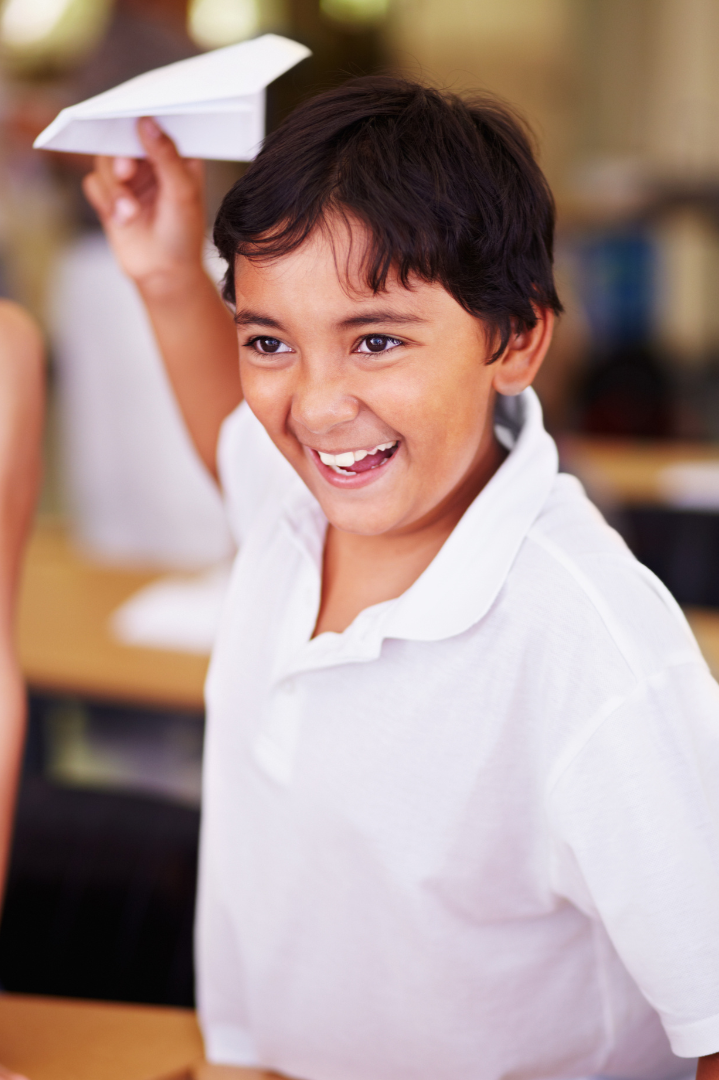
Ricky is argumentative. His favorite comebacks are, “It wasn’t me” and “Why are you making such a big deal out of this?”. In a way, Ricky is right; no one behavior is that terrible. But taken together Ricky succeeds in disrupting every lesson he is part of. He is ALWAYS doing the wrong thing. Ricky receives a lot of small punishments like lunch detention and In-School Suspension, but in the name of equity he is left in the classroom as much as possible, and yes- he makes the teachers’ lives a living hell. No one worries about equity for his 22 classmates whose education is daily interrupted and who are consequently taught by a teacher who is at the end of her rope.
All of these students have the same thing in common; there is not accountability for their actions. If we want to save US public education, addressing student accountability is a critical starting point.
Now, I’m not arguing for military discipline, where if a student puts one toe out of line we toss them out of school. Students are children, and they need space to make mistakes and grow from them. However, I see us erring on the other side of the continuum. Students can get away with almost anything. Teachers and the school must always find a new way to accommodate them.
So what is the solution?
For Martin: mandatory summer school, and possible retention.
Our system is failing Martin; we are sending him the message that it’s OK to do nothing. Then he gets to high school and finds out that’s not really true. The message needs to come through in elementary and middle school, when there’s still time to right the ship. Let’s meet with Martin and his parents and lay out some objective expectations. 30 minutes of homework per night. No missing assignments. No earbuds or gaming tabs open during class. (Maybe Martin needs to move to all-paper instruction). If Martin does not meet agreed upon benchmarks by the end of the school year, he must attend summer school. At the end of summer school if he has met those benchmarks, he can progress, but retention needs to be a real possibility. Martin’s progress through the grades must be tied, at least in part, to his academic progress.
For Elena: An alternative placement.
The traditional classroom environment is not working for Elena. While we would like to help her, keeping all students safe and learning in an orderly environment is our first priority. Elena needs a more structured and individualized setting than a traditional school can provide. She needs a true alternative setting. Unfortunately, in many school districts there are not enough alternative school spots and placing a student in such a school is fraught with bureaucratic hurdles. In the absence of an appropriate alternative school, an online program supervised by her parents (or perhaps by a state entity) might be more appropriate for her.
For Ricky: More parent involvement in his education
Ricky thrives on the attention of disrupting learning. We need to quit pretending that this is not a big deal, and quit expecting teachers and classmates should put up with it as a matter of course. When regular classroom interventions have not worked, Ricky’s parent should be asked to come to school and shadow him for one or several school days to understand classroom norms and to see how his behavior is impacting his own learning, his teachers, and his classmates. Then, parents, school staff, and Ricky can agree upon a behavior contract with consequences attached; if Ricky is disruptive, the parents must agree to return to the school to supervise his behavior. Online school supervised at home by parents may be an option for Ricky as well; perhaps he can apply to come back to public school when he is committed to fitting in with classroom routines.
Teachers, no matter how skilled or dedicated, cannot force students to learn. Students need logical consequences for lack of engagement. Special programming, extra staff, disciplinary hearings, and paperwork related to student behavior are a huge drain on our stressed educational system. We are allowing a small percentage of students to hold us all hostage with their behavior, and this is crushing teacher morale and their ability to properly instruct the other 95% of kids. Until we commit as a society to insist upon real student accountability, our public schools will continue to flounder.